Soft Summer Hair Colors
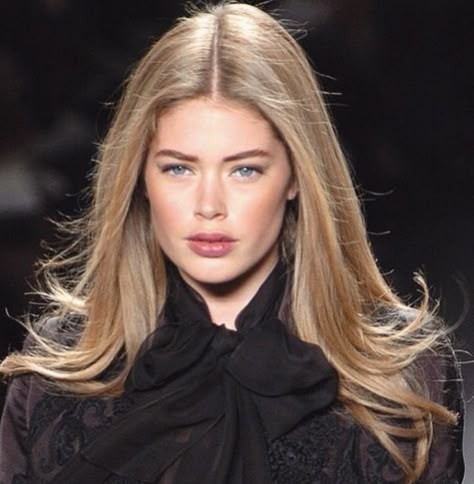
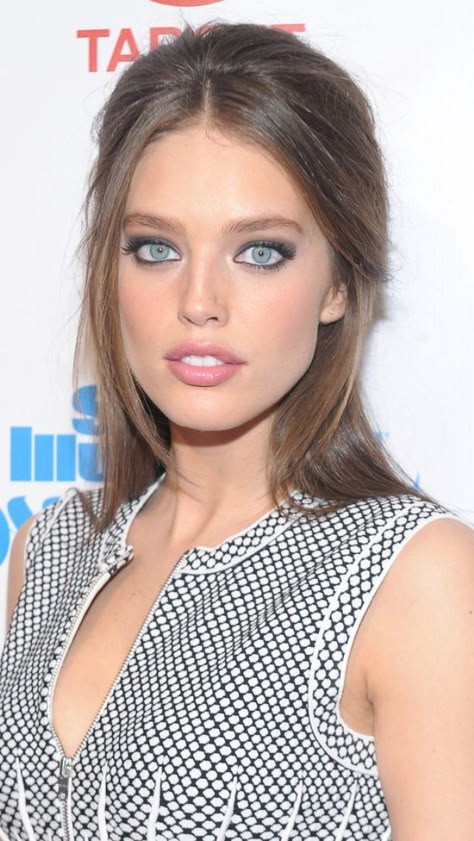
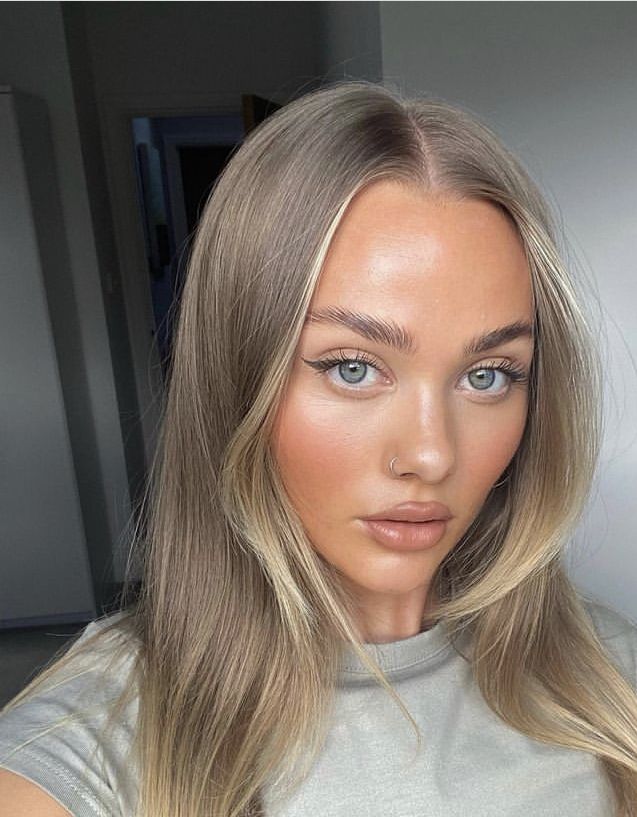
Find your most flattering shades — save them and bring to your colorist.
Your most flattering shades, from roots to tips
Your best tones
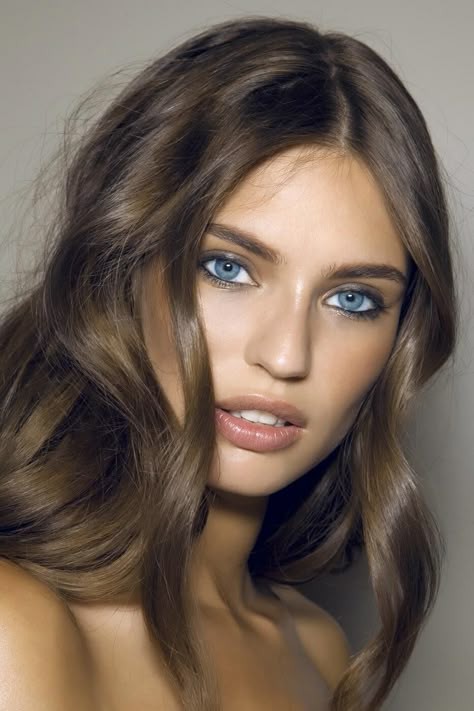
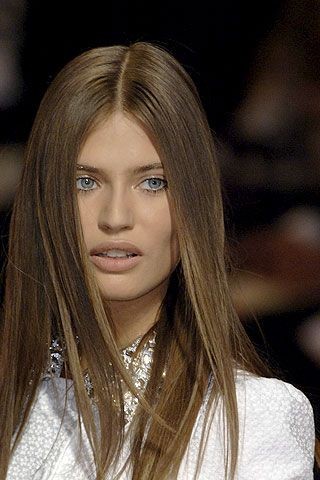
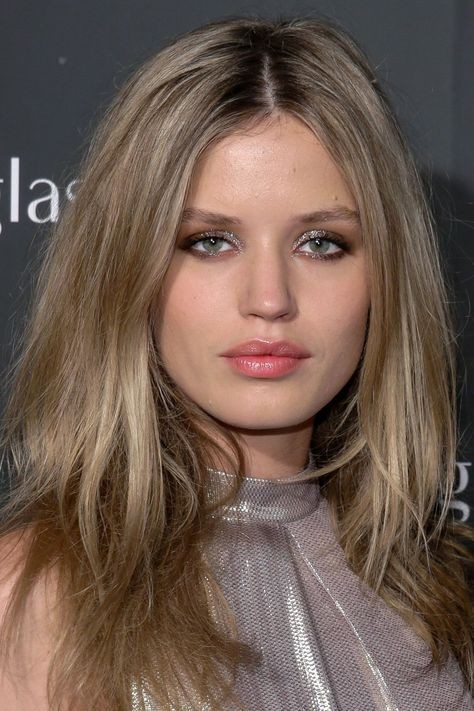
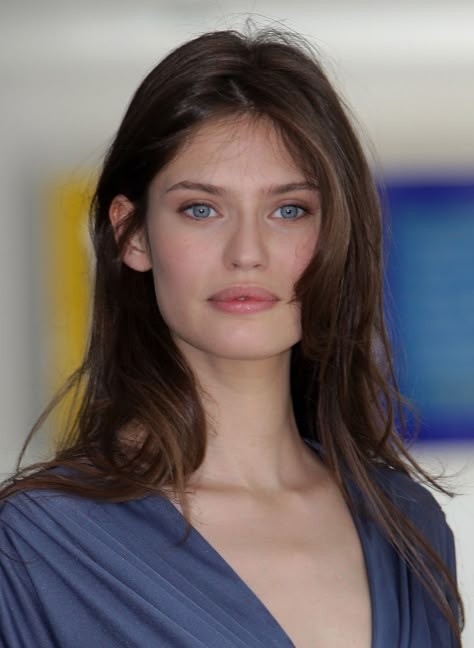
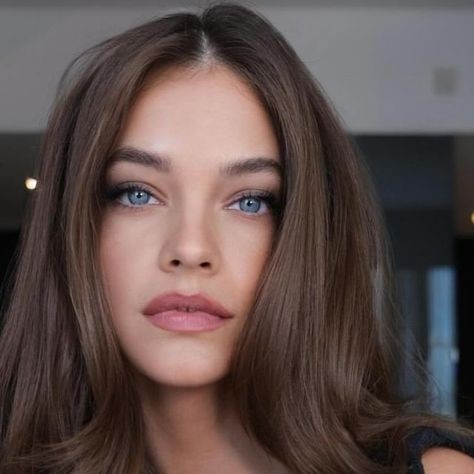
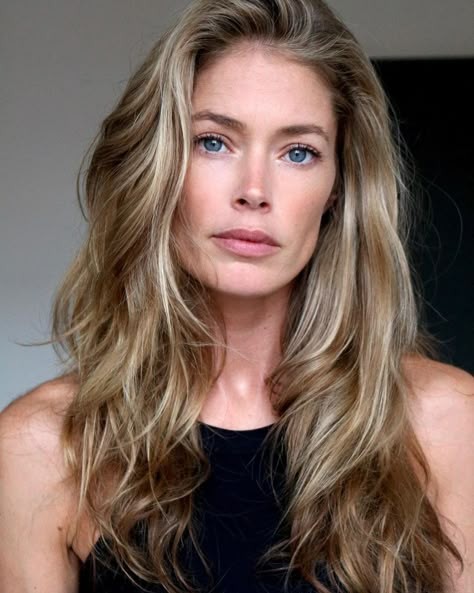
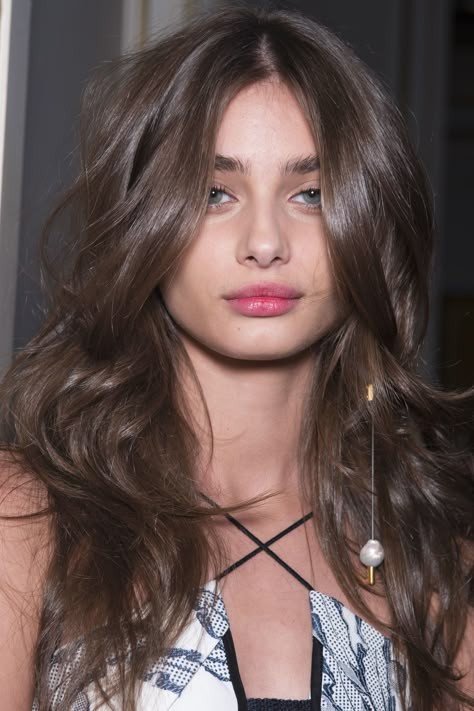
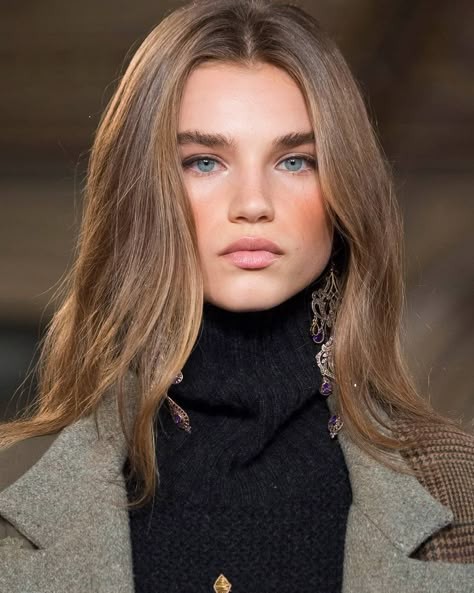
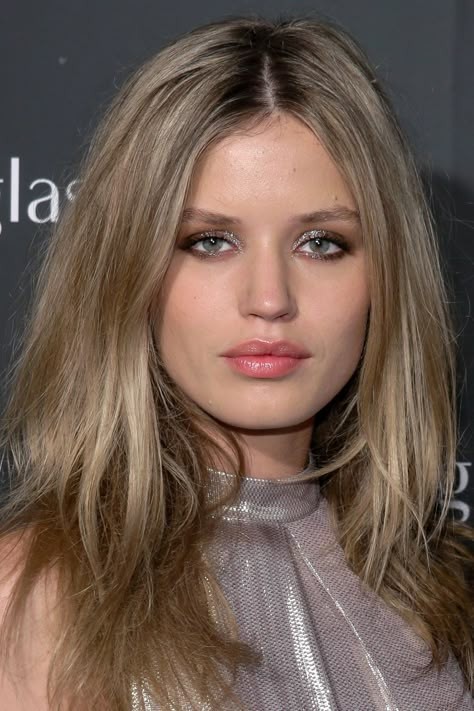
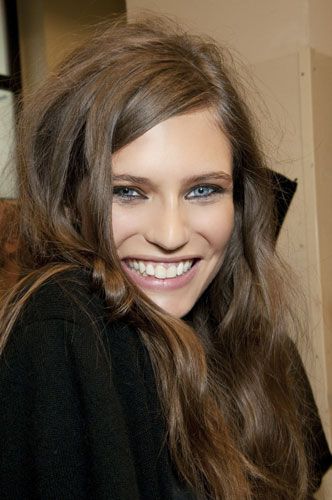
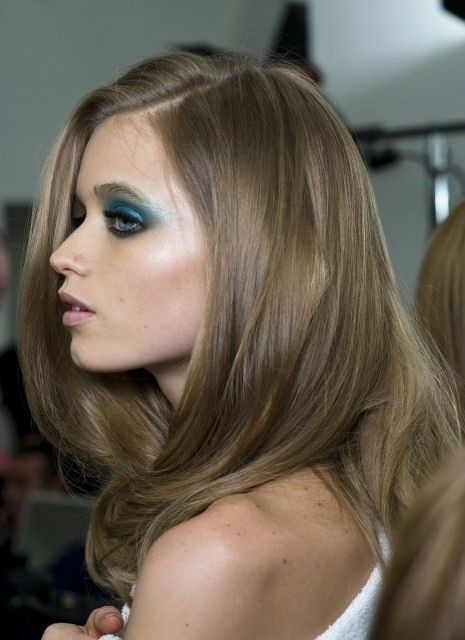
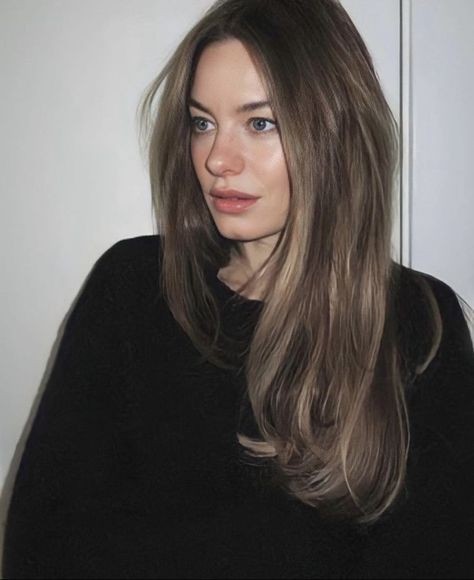
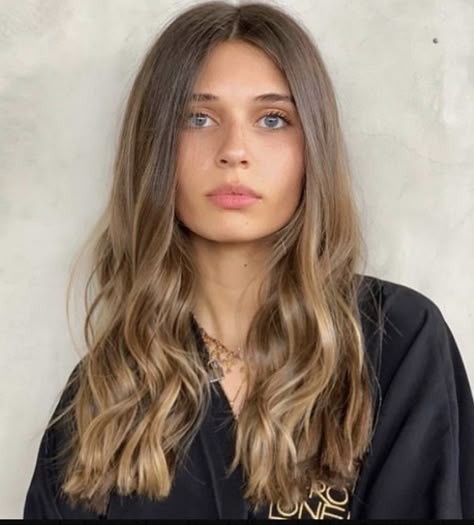
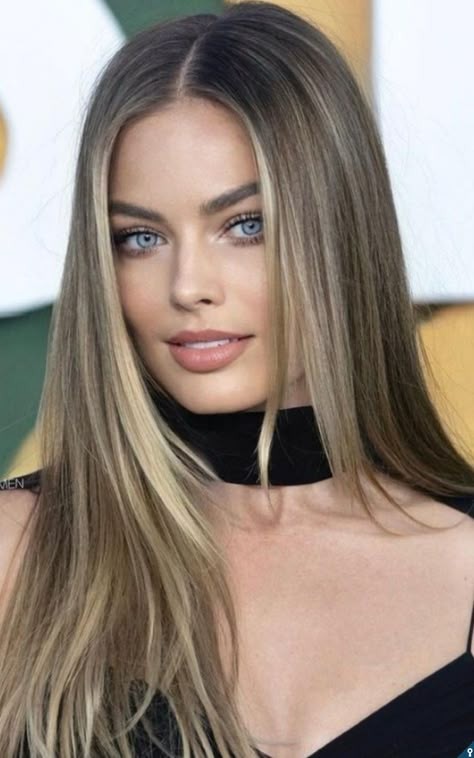
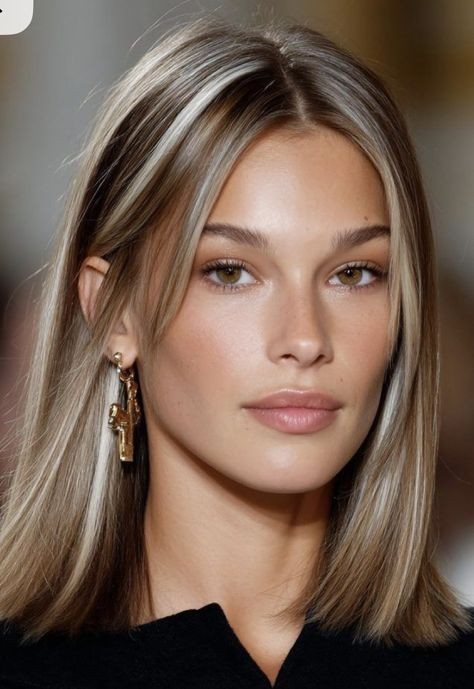
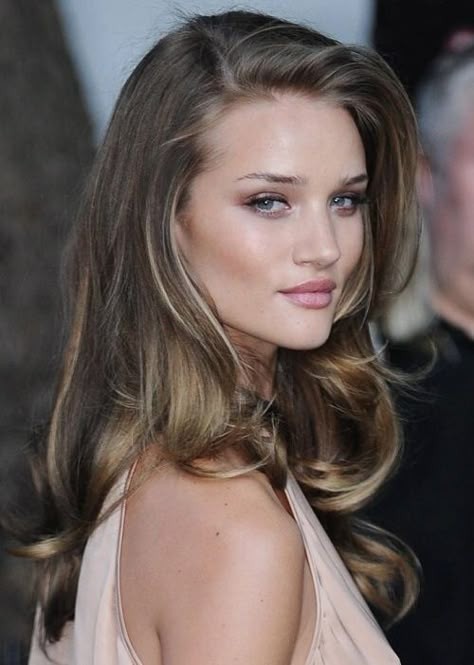
Soft Summer is cool and muted — your hair should feel soft and understated. Ash browns, cool medium blondes, and muted mushroom tones blend beautifully with your low-contrast coloring.
What to go for
Stay in the muted, cool lane: ash brown, mousy brown, cool dark blonde, mushroom, and soft taupe tones. If you highlight, keep it ashy and subtle — no warm streaks.
What to avoid
Avoid warm golden tones, vivid reds, jet black, or anything too bright. Your strength is in subtlety — dramatic hair changes will overpower your naturally soft features.
Hair color terms explained
Ashy: A cool, grey-based undertone that neutralizes warmth — the opposite of brassy or golden.
Muted: Soft and greyed-down, not vivid or saturated. Think dusty, smoky, or faded rather than bright.
Warm: Golden, honey, copper, or red undertones that add richness and sunlit quality.
Cool: Blue, violet, or grey undertones — the opposite of warm. Think icy, silvery, or smoky.
Brassy: Unwanted warm, orange-yellow tones — usually what "ashy" toners are designed to counteract.
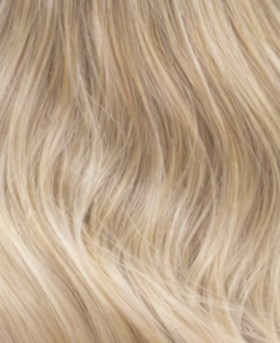
Soft Ash Blonde
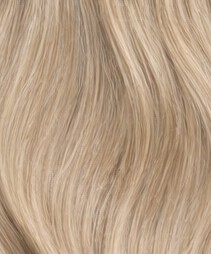
Sandy Blonde
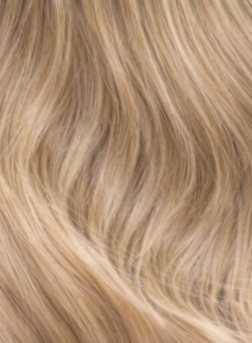
Muted Beige Blonde
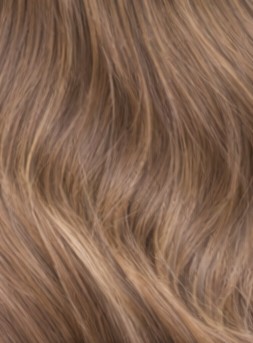
Cool Taupe Blonde
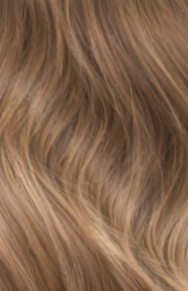
Cool Light Brown
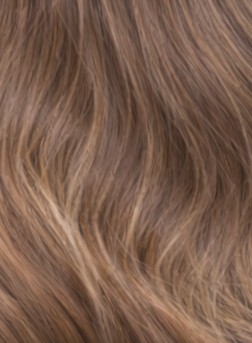
Dusty Mushroom Brown
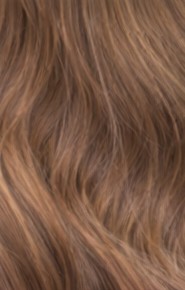
Ash Mocha Brown
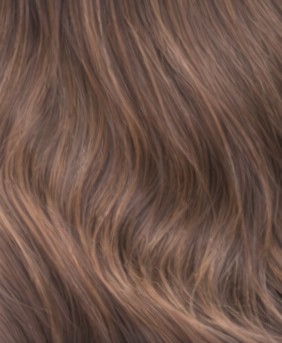
Soft Ash Brown
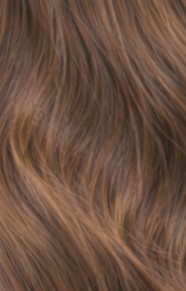
Smoky Medium Brown
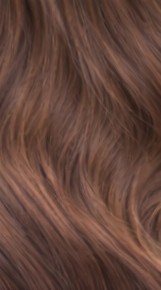
Dusty Ash Brown
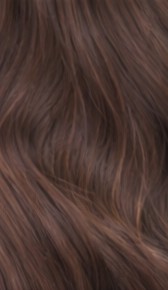
Cool Mink Brown
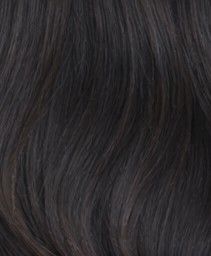
Soft Black
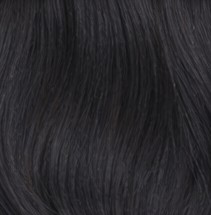
Cloud Black
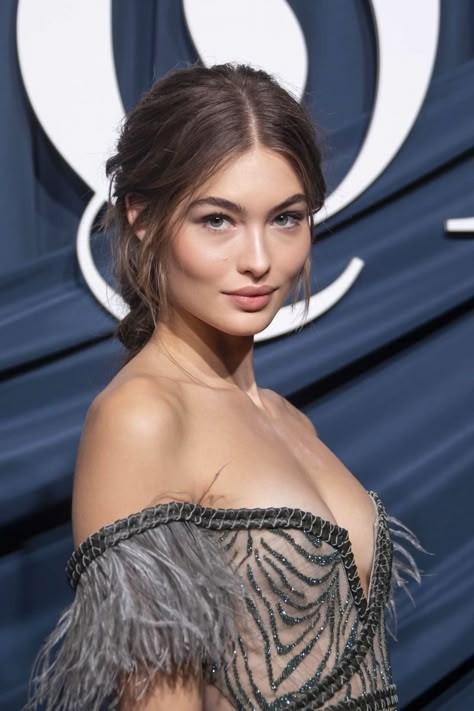
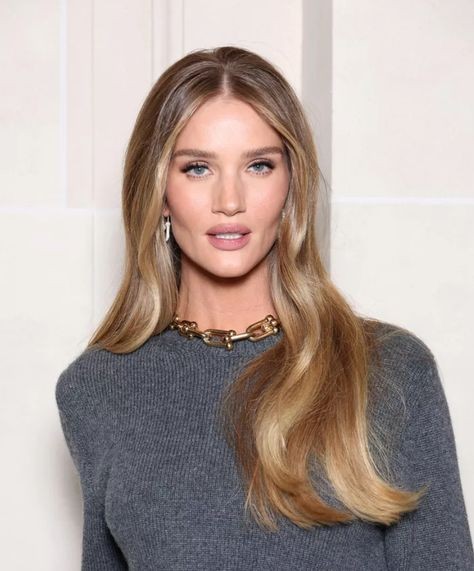
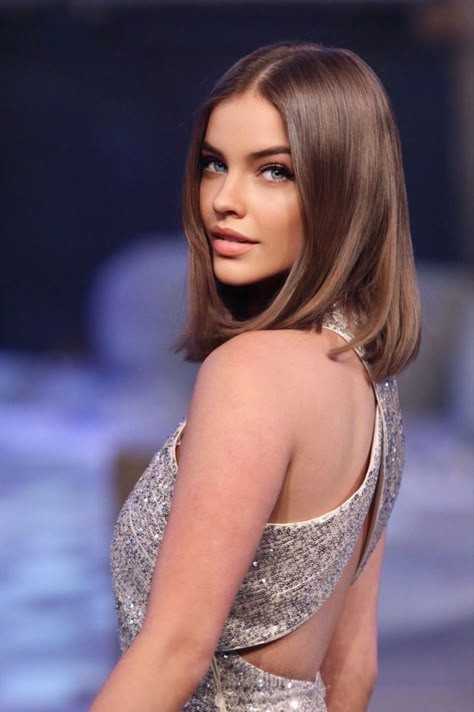
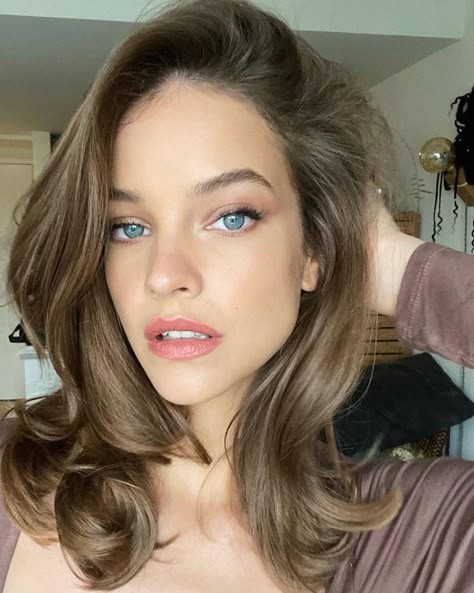
Try Your Face Next to These Hair Colors
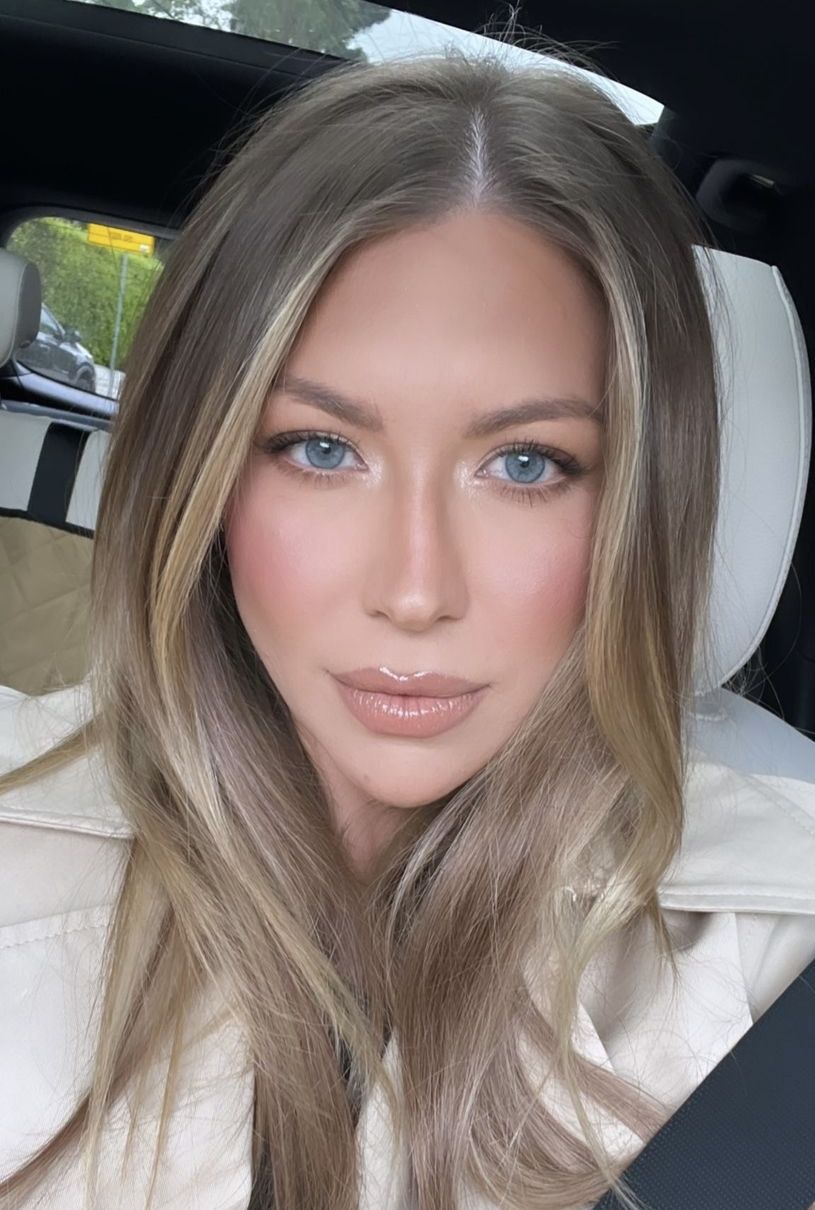
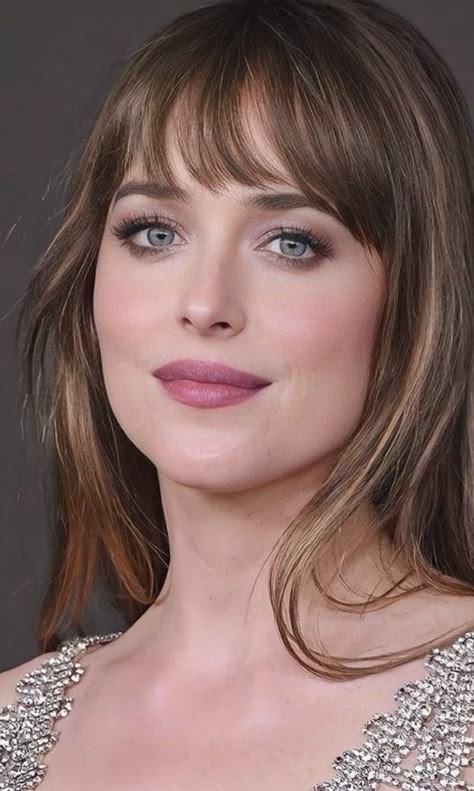
Hold up a photo of yourself next to these shades to see which one suits you — then save and bring it to your colorist.
Best Haircuts for Your Face Shape
The right cut can balance your proportions and frame your best features
How to find your face shape
Pull your hair back and look straight into a mirror. Compare three widths: forehead, cheekbones, and jawline. Which is widest? Then look at the overall shape — is your face longer than wide, or about equal? Finally, check your jawline: is it rounded, angular, or pointed? Those three clues will point you to your shape.
Balancing specific features
Long or high forehead
Bangs are your best tool — straight, curtain, or side-swept all work to shorten the forehead visually. Face-framing layers that start at the temples also help. Avoid pulling all hair back, which exposes the full forehead length.
Short or low forehead
Skip heavy straight bangs — they eat into already limited space and can make the face look compressed. A wispy side-sweep or volume on top creates the illusion of more height. A center part can work well since it shows the forehead rather than hiding it.
Wide jawline
Soft layers around the jaw break up the straight line with movement. Go longer than the jaw — hair ending exactly at the jawline draws a horizontal line across the widest point. Side-swept bangs draw the eye upward, away from the jaw.
Prominent nose
A center part draws the eye straight down the nose like an arrow — avoid it. A side part creates asymmetry that distributes attention. Volume, waves, and texture around the face give the eye other things to land on. Bangs shorten the visible vertical line of the face.
Strong cheekbones
Show them off — layers ending at cheekbone level frame and emphasize the bone structure. Swept-back or tucked-behind-the-ear styles let the cheekbones shine.
Narrow chin
Build volume at chin level to widen the lower face — outward-flipped ends, a bob that hits below the chin, or layers that add fullness below the cheekbones all help balance a tapered jawline.
Curly hair + bangs
Curly bangs shrink up significantly and need daily styling to look intentional. If you don't want the maintenance, curtain bangs are the most forgiving option — they blend into the sides as they grow out and look good even when you skip styling. Always ask your stylist to cut bangs longer than the desired length, since curls spring up. If the upkeep isn't for you, face-framing layers give a similar forehead-softening effect without the commitment.
Ponytails + updos
Pulling hair back exposes your full face shape, so placement matters. Round faces benefit from a high ponytail — it adds vertical height. Long faces look better with a mid-height or low ponytail to avoid adding more length. Square faces are softened by leaving a few face-framing pieces out around the jaw and temples. Heart-shaped faces look balanced with loose tendrils at the chin. If you have a high forehead and don't want bangs, pulling a few shorter pieces forward at the hairline softens the look without committing to a cut.